
Right afterwards
The first hour
Getting off the table badly is the most common way to spoil a good session. Sit up on the edge first, let your feet find the floor, and give it fifteen seconds before you stand. Blood pressure does what it does when you've spent an hour horizontal and warm — a lot of people feel briefly light-headed, and all of them feel fine again once they've stopped moving like they're late.
Get dressed slowly. Check you've got your keys and your phone before you leave the room, because your short-term memory is not at its sharpest in the ten minutes after a massage — this is a well-established front-desk observation, not a medical one. There's water at the desk; take a cup.
Then, if you can, don't get straight into the car and onto Hwy 41. Caribou Coffee is 59 feet from our door and Chaska Commons has a perfectly good sidewalk. Ten minutes of sitting or wandering before you drive turns a good hour into a good afternoon. If you're already thinking about the next one, booking on the way out takes about a minute at the desk.
Hydration
Water, yes — but not for the reason you were told
Drink water afterwards. Genuinely, do. But the reason is boring: you've just spent an hour in a warm room, face-down, breathing through a padded cradle, without a sip of anything. You are warm and you are thirsty. That's it. That's the entire mechanism.
It's a good habit for the same reason drinking water after a nap or a sauna is a good habit, and it costs you nothing. What it isn't is a clean-up operation. Nobody needs to drink a litre in the parking lot, and nothing bad happens to you if you don't.
We're labouring the point because the version you've been told is the next section, and it has done a surprising amount of damage to how people understand what an hour on a table actually is.
The myth
About “releasing toxins”
Massage does not release, flush or drain toxins. There is no toxin. Nobody has ever named the substance, measured it before and after a session, or explained how a pair of hands would move it anywhere in particular.
Your liver and your kidneys handle metabolic waste, continuously, whether or not you have ever been to a spa. That job is not outsourced to a massage therapist for an hour on a Thursday. The neutral, non-commercial sources describe massage in far more modest terms — the NCCIH's overview of massage therapy is a good example of how carefully the honest version reads compared with the spa-brochure version.
Why does it matter, if it's a harmless story? Because it is the front door to worse claims. Once "flushing toxins" is accepted, "detoxifying", "boosting immunity" and "realigning" follow, and then somebody with a real medical problem books a massage instead of an appointment with a doctor. We'd rather sell you an hour that feels good and describe it accurately. The same applies to the marks cupping leaves — they're a sensation and a discolouration, not evidence of anything being drawn out of you.
What you can honestly say happened
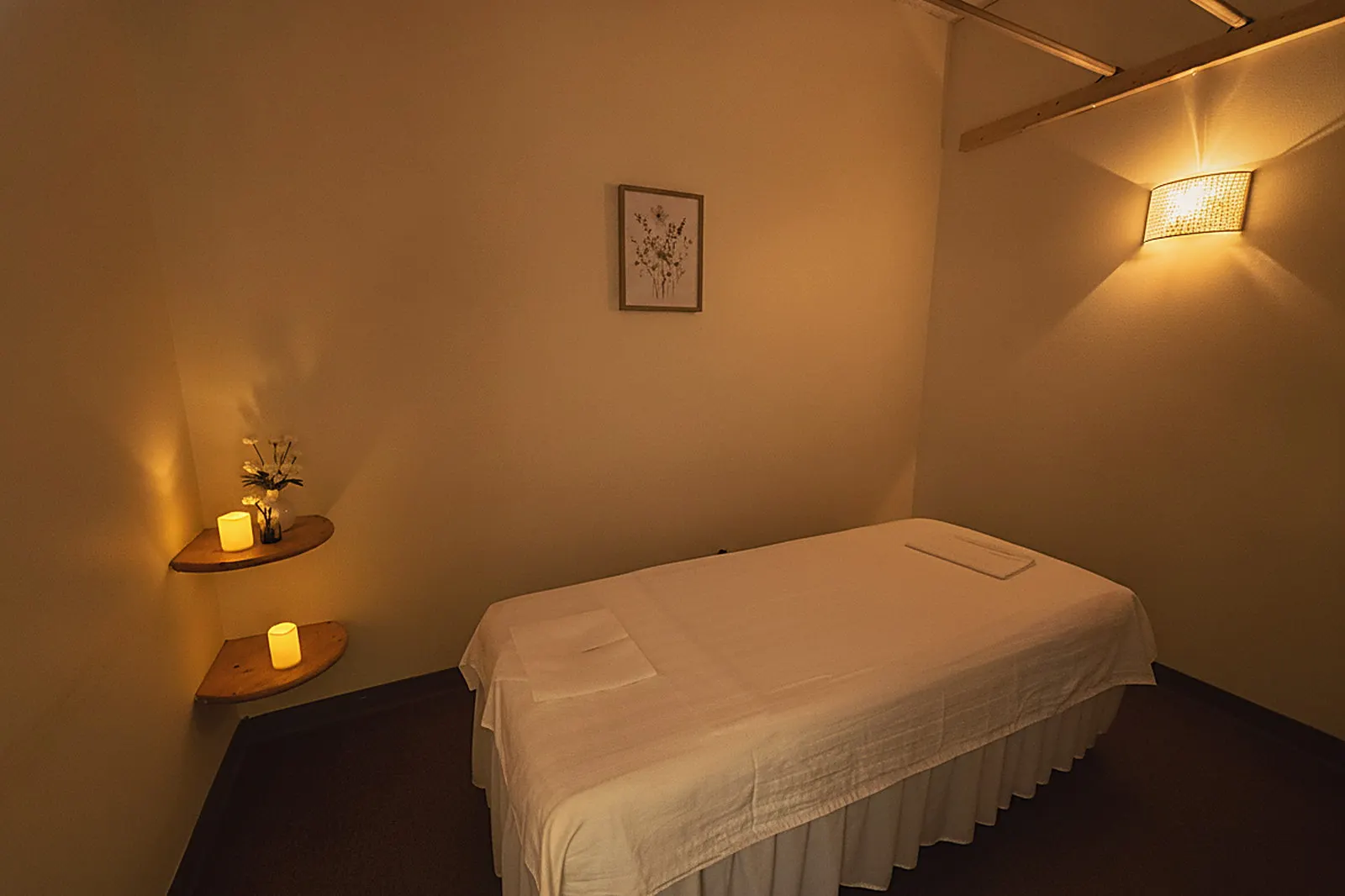
An hour of steady, unhurried touch in a warm, dim room, with nobody able to reach you and nothing at all to decide. Your breathing slowed down. You stopped bracing somewhere around minute fifteen. Muscle that had been held tight since Monday got warm and got moved around, and you stood up feeling noticeably different from how you sat down.
That is a real hour and it is worth $80. It needs no chemistry to justify it, and no story about substances leaving your body. Whenever a wellness service has to invent a mechanism for itself, the question worth asking is why the plain description wasn't considered good enough.
Timeline
Why you might be tender tomorrow, and for how long
After deeper or slower work, a lot of people are mildly tender the next day — most often across the upper back, the shoulders, or wherever the therapist spent the longest. It reads like the day after starting a new kind of exercise: achy, a bit heavy, not sharp. For most people it fades within 24 to 48 hours and needs nothing done about it.
Soreness is not a scorecard. A session that leaves you tender was not "better" than one that didn't, and asking for punishing pressure so you can feel it tomorrow is a good way to spend the next two days regretting an hour you enjoyed. If you were tender longer than you liked last time, say so at the start of the next session — that single sentence is the most useful feedback a therapist can get. The NCCIH's practical notes on massage therapy mention temporary discomfort in the same matter-of-fact way.
| When | What people often notice | What helps |
|---|---|---|
| First 10–30 minutes | Warm, loose, slightly vague; slow to find your keys | Sit down, drink the water, don't drive off in a hurry |
| That evening | Sleepy — sometimes startlingly sleepy | Eat something normal, keep the evening low-key, go to bed early |
| Next morning | Mild tenderness after deep work, like the day after new exercise | A warm shower, gentle movement, your ordinary routine |
| 24–48 hours | Tenderness fading; range of movement often feels easier | Nothing in particular. This is the part that takes care of itself |
| Past 72 hours, or sharp pain, numbness or spreading bruising | Not the usual pattern | Stop guessing and talk to a clinician — then tell us, so the next session is worked differently |
General patterns observed at the front desk, not a clinical timeline. Everybody lands differently, and none of this is medical advice.
Heat
Why a hot shower feels so good afterwards
Because warmth is pleasant and you are already relaxed — we're not going to dress it up beyond that. A hot shower an hour or two after a session is one of the more reliably enjoyable things available to a person, and it takes the last of the oil off, which matters more than people expect if you're getting into good sheets.
Two small caveats. Give it a bit of time rather than going straight from the table into scalding water; you're already warm and lying down was doing half the work. And if you've had cupping with your massage, skip the very hot water, the sauna and the hot tub for the rest of the day — the marked areas are more sensitive than usual and there's nothing to gain from cooking them.
Some people prefer a bath, a hot water bottle, or nothing at all. There's no correct choice here. This is a comfort question, not a protocol.
Exercise
Move gently — and why the hard workout can wait
Gentle movement afterwards feels good: a walk, some easy stretching, wandering around the Minnesota Landscape Arboretum, which is 3.4 miles up Hwy 5 and open most of the year. Nothing ambitious. The idea is to end the day still moving, not to do anything to your muscles.
The heavy session is the one to move. A max-effort lift, a long run or a hard class the same evening tends not to go well, for two very ordinary reasons. First, you've just spent an hour at complete rest and your sense of your own limits is genuinely off — people misjudge that first set. Second, you're about to confuse normal training soreness with post-massage tenderness and have no idea which is which for the next two days.
Tomorrow is fine. If your week only works with the gym on massage day, go before rather than after and book the oil massage for the evening slot — we're open until 9 PM, which is precisely why that slot exists.
Planning
How to plan the rest of the day
The best massage appointment is the one with nothing behind it. If you can arrange it, book late and go home afterwards — the 7 PM slot on a weeknight is quietly the best booking on the schedule, and the reason our last sessions run to 9 PM.
Things that reliably waste a good session: a difficult meeting an hour later, a long drive in rush hour on the 212 corridor, a heavy meal immediately afterwards, and alcohol, which mostly just blunts the pleasant, floaty part you paid for. None of that is a rule. It's just what people report at the desk when they come back and say the last one didn't stick.
Eat something at some point, particularly if you skipped lunch before a 90-minute session. People do occasionally feel a little wobbly an hour afterwards, and it is almost always an empty stomach plus a long stretch of lying still rather than anything mysterious the massage did to them. A sandwich sorts it out.
If your day genuinely has no gap in it, that's still fine — plenty of people take a 30-minute session between errands and get straight back to it. Walking in on a Tuesday evening works too. Just know that the hour lands differently when the rest of the day is empty behind it.
Next session
What to bring back to the next one
Two days of information, which is worth more than anything you can tell a therapist before they've touched your back. How long the loose feeling lasted. Where you were tender and for how long. Whether the pressure through the shoulders was right, too much, or not enough to notice.
Say all of that in the first minute of the next session. It's the fastest route to a session dialled in properly, and it saves the therapist the twenty minutes of careful reading they'd otherwise spend working it out again from scratch.
As for when that next one should be — the frequency guide answers it by goal rather than by package, and it comes to the unhelpful but honest conclusion that there's no schedule. Every four to eight weeks suits most people. Call or text (612) 600-9298 when it does.
Common questions
What should I do afterwards?
Drink some water, move gently, and give yourself a little time before jumping straight back into the day if you can. Mild soreness the next day after deep tissue work is common and usually passes on its own.
Should I drink extra water to flush out the toxins?
Drink water because you're warm and probably thirsty after an hour in a heated room — that's the real reason and it's a good enough one. Massage doesn't flush toxins out of anything; your liver and kidneys handle metabolic waste with or without a session. Anyone telling you otherwise is selling something.
Can I go to the gym after a massage?
A walk or some light stretching, absolutely. A hard workout the same evening usually isn't worth it — you've just spent an hour completely at rest, your read on your own limits is off, and you'll spend the next two days unable to tell training soreness from massage tenderness. Tomorrow is fine.
How long will I be sore after a deep tissue massage?
Most people who feel it at all are mildly tender for 24 to 48 hours, similar to the day after starting new exercise, and it settles on its own. If it's sharp, spreading, numb, or still there after three days, that's outside the usual pattern — talk to a clinician, and tell us so the next session is worked differently.
What's the difference between Swedish and deep tissue?
Swedish is broad, flowing, moderate pressure — the goal is to unwind. Deep tissue is slower and more focused, working into specific tight spots layer by layer. Both are on the same oil massage menu at the same price, so you're not locked in: tell your therapist during the session and they'll adjust.
Does cupping leave marks?
Usually yes — round, painless discoloured circles where the cups sat, typically fading over several days. They aren't bruises in the impact sense and they don't hurt. If you have a wedding, a photo shoot or a beach weekend coming up, say so and we'll place the cups where clothing covers them.
Should I avoid massage in any situation?
Check with a healthcare professional first if you have a fever or contagious illness, a skin infection or open wound in the area, recent surgery, a blood-clotting disorder, severe osteoporosis, certain heart conditions, or a high-risk pregnancy. When in doubt, ask your clinician — we would rather reschedule you than guess.
Sources & further reading
Deep tissue and Thai-style bodywork get talked about in some big terms online. We would rather point you at the neutral sources — see the NCCIH on massage therapy , things to know before you book , the Mayo Clinic on easing tension headaches and managing everyday stress .
These are educational references about massage in general, not claims about our services.
Day Massage is a relaxation and wellness studio, not a medical provider. This article is general information, not medical advice.